
The popularity of teeth whitening has grown significantly in recent years as more people seek ways to improve their smiles quickly and affordably. Whether through professional treatments or at-home products, brighter teeth have become a common cosmetic goal. However, one of the most frequent concerns people have is whether teeth whitening is safe for enamel and overall dental health.
Many worry that whitening treatments may weaken or permanently damage teeth.
The truth is that most modern whitening methods are designed with safety in mind when used correctly. In this article, we’ll explain how teeth whitening works, the potential risks involved, and how to safely achieve noticeable results without harming your enamel.
How Teeth Whitening Works
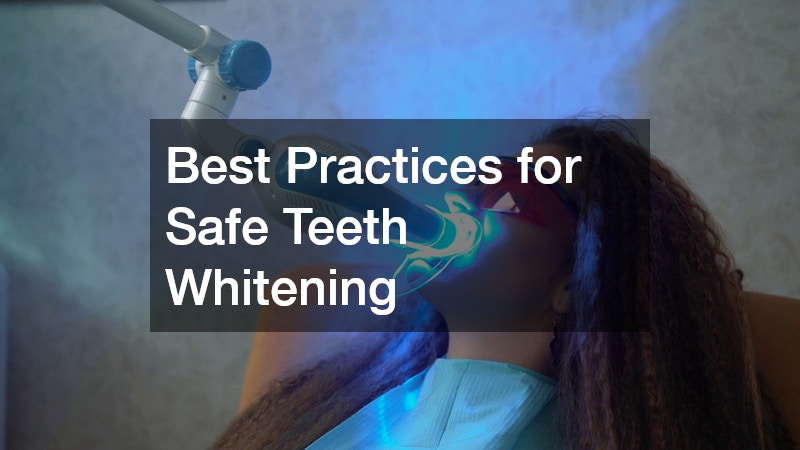
Teeth whitening works by using peroxide-based agents, typically hydrogen peroxide or carbamide peroxide. These ingredients penetrate the outer layer of the tooth and break down stains into smaller, less visible particles. This chemical process helps lift discoloration and brighten the overall appearance of the teeth.
It’s important to understand the difference between surface stains and deeper discoloration. Surface stains are caused by foods, drinks, and habits like coffee, tea, or smoking, and are generally easier to remove. Deeper stains, however, occur within the tooth’s inner structure and may require stronger or more prolonged treatment to improve.
Types of Teeth Whitening Treatments
There are several types of teeth whitening options available, depending on your needs and budget. Professional in-office treatments offer the fastest and most noticeable results, often using stronger whitening agents under controlled conditions. At-home kits provided by dentists are another option, offering custom trays and professional-grade gels for gradual whitening. Over-the-counter products such as strips, gels, and whitening toothpaste are widely accessible but typically produce more subtle results over time.
Effects of Teeth Whitening on Enamel
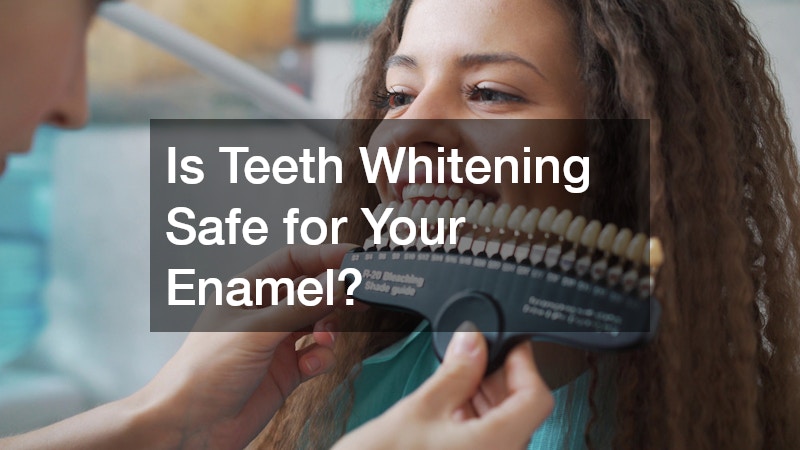
A common concern is whether teeth whitening damages or weakens enamel. When used properly, whitening treatments do not remove or permanently harm enamel. Instead, they temporarily open the enamel’s pores to allow whitening agents to reach and break down stains.
Some people experience temporary sensitivity during or after treatment, which is usually caused by the whitening agents interacting with the tooth’s nerve pathways. This sensitivity is typically short-term and resolves shortly after treatment is completed. Importantly, enamel is not “bleached away” during the process; rather, it is safely treated when guidelines are followed correctly.
Common Side Effects to Expect
While teeth whitening is generally safe, there are a few common side effects to be aware of. Tooth sensitivity is the most frequently reported issue and may occur during or shortly after treatment. Some individuals also experience mild gum irritation if the whitening gel comes into contact with soft tissue. In some cases, uneven whitening can occur, especially if there are existing dental restorations or inconsistent product application.
Who Should Be Cautious with Teeth Whitening
Not everyone is an ideal candidate for teeth whitening. Individuals with naturally sensitive teeth or existing dental issues should approach whitening with caution. Conditions such as enamel erosion, untreated cavities, or gum disease can increase the risk of discomfort or complications during treatment.
It is always recommended to consult a dentist before beginning any whitening process, especially if you have underlying oral health concerns. A professional can assess whether whitening is appropriate and suggest the safest method for your specific situation.
Signs You Should Delay Whitening
There are certain signs that indicate you should postpone whitening treatments. Persistent tooth pain is a strong warning that something may be wrong and should be evaluated first. Visible enamel wear, such as thinning or transparent edges on teeth, may also indicate that whitening should be delayed. Additionally, inflamed or bleeding gums are signs of gum disease or irritation that should be addressed before any cosmetic procedures are attempted.
Best Practices for Safe Teeth Whitening
To ensure safe and effective results, professional guidance is highly recommended when considering teeth whitening. Dentists can help determine the most appropriate treatment based on your oral health and desired outcome. Following product instructions carefully is also essential, as overuse or improper application can increase the risk of sensitivity and irritation.
It is also important to space out whitening treatments rather than using them too frequently. Over-whitening can increase sensitivity and may diminish the natural protective properties of enamel over time. Moderation is key to achieving a healthy, long-lasting, bright smile.
By seeking professional advice and using whitening products responsibly, you can achieve a brighter smile without compromising the strength or integrity of your enamel. With the right approach, teeth whitening can be both safe and effective for long-term oral health and confidence.